We understand that your body, history, and goals are distinct, and we tailor a health optimization plan that best suits your specific needs
The clinical evidence base supports its use as a tool for maintaining antioxidant status, supporting liver and immune function, and reducing oxidative burden, particularly in individuals whose endogenous production is compromised by age, chronic stress, illness, or inadequate nutrient precursor availability

There are many other variables that can contribute to a patients risk of developing a microbial overgrowth, including: Low stomach acid (hypochlorhydria) Reduces the stomachs ability to limit bacterial entry into the small intestine Impaired digestive secretions Decreased bile acids or pancreatic enzymes can allow microbes to grow unchecked Structural changes to the gut Anatomical alterations or surgical changes can trap bacteria and promote overgrowth Disrupted gut immune defenses Weakened immune regulation can impair normal microbial control Previous gastrointestinal infections Infections such as foodborne illness can cause lasting changes that increase susceptibility to overgrowth Frequent or repeated antibiotic use Antibiotics can disrupt microbial balance and enable opportunistic overgrowth Dietary patterns that promote fermentation Excess fermentable carbohydrates can fuel microbial proliferation Underlying metabolic or systemic conditions Certain chronic conditions can indirectly affect gut regulation and balance Altered gutbrain signaling Disruptions in neural communication can affect digestion and microbial balance Development of microbial overgrowths and their associated symptoms is often the result of multiple risk factors aligning to amplify imbalances in your gut microbiome
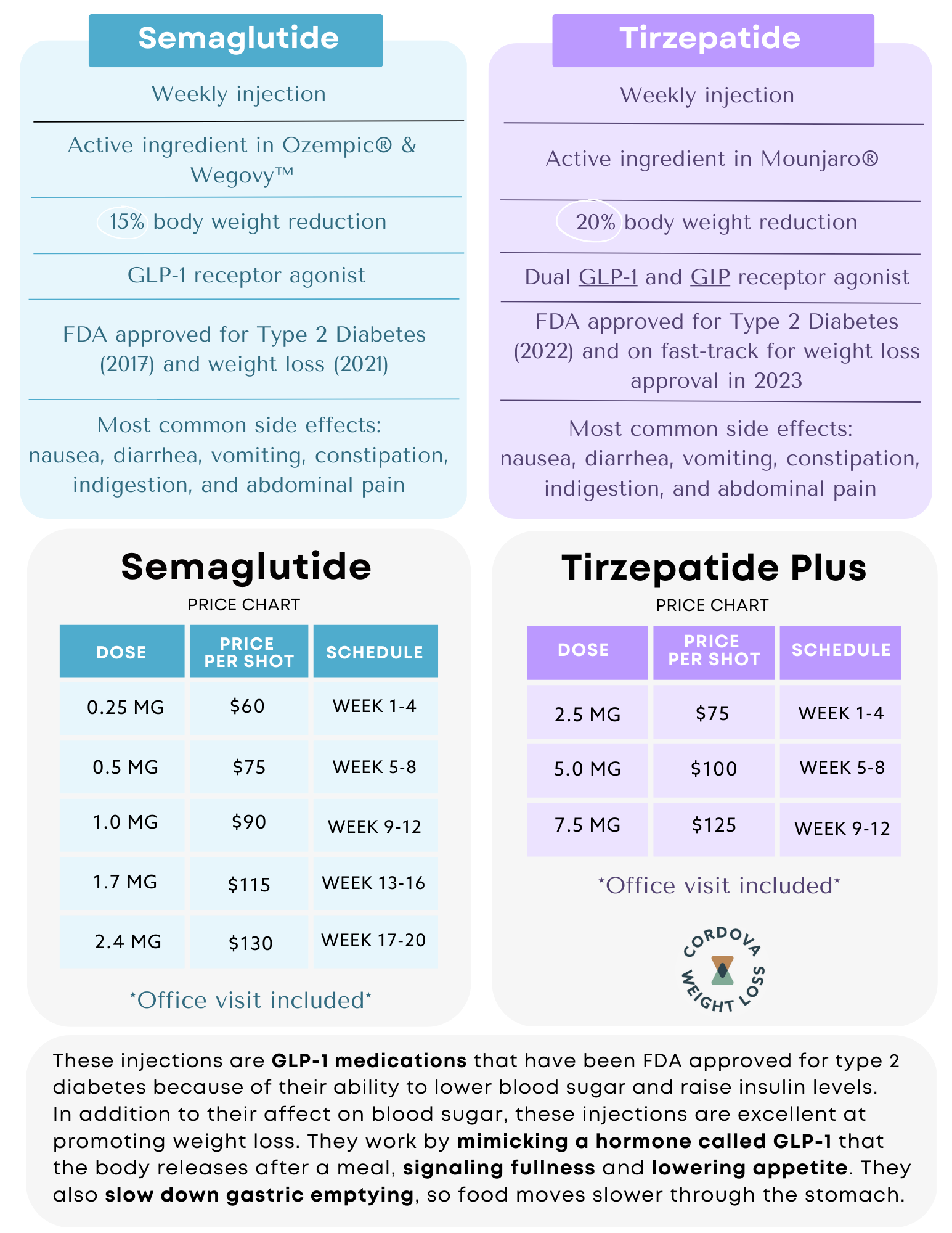
Schedule a virtual or in-person consultation today to see all you can gain from our programs.
Answer Hello and thanks for reaching out to us
published effects are primarily preclinical and exploratory

















![AUSTRALIA HARVEST Quick-Cooking Oats [1KG] Bulgaricus Viili Starter](https://cdn.shopify.com/s/files/1/0699/4647/4585/files/1009370_1_a90b8202-082d-424f-8b0b-ef078a93c824.jpg?v=1775619741)
![EasyCook GREEN SPLIT PEAS [400G] caps](https://cdn.shopify.com/s/files/1/0699/4647/4585/files/ph-11134207-7r98z-lsqhbox6cfedfa_fce48739-415d-45d3-9ec7-8eae0a0da917.webp?v=1775619759)
![12L Portable Yogurt Making Machine [Multifunction] ENEGY FOODS](https://cdn.shopify.com/s/files/1/0699/4647/4585/files/H90930ca10fd14cf1b4facdb880e41764K.jpg_960x960q80_8996c6d2-c80b-45aa-bab2-7b8e8e17737b.jpg?v=1775619720)

